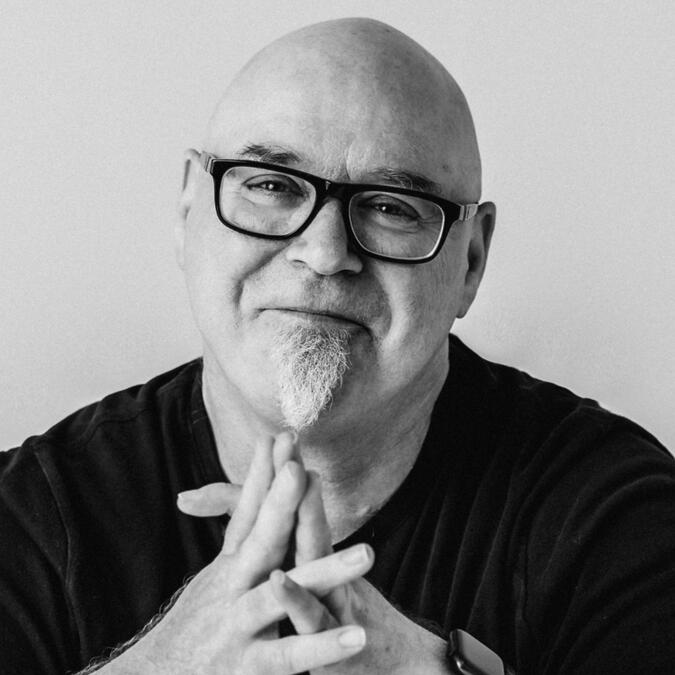
G'day, I'm Trevor Young - I write, speak, consult and mentor
From under-known to in-demand.I help credible founders, expert professionals and solo practice owners build the recognition their expertise deserves — and turn that recognition into opportunity.In a noisy landscape where loud voices often drown out depth, my work focuses on building personal brand authority through a savvy blend of up-to-the-minute PR, content and digital communications strategies.
ABOUT
I'm a PR and communications strategist with over 30 years in the industry — from journalism to senior consulting roles at Australia's biggest firms, to co-founding and selling two 7-figure marketing services agencies. A third agency I co-founded was merged with Edelman, the world's largest PR firm, where I took up the role of Director of Strategy & Innovation.An early pioneer in social media and content marketing in Australia, Smart Company listed me as one of Australia's Top Business Thinkers, while the Sydney Morning Herald called me a "hero of Australian content marketing".The profile I built through my PR Warrior blog, which I started in 2007, led to a career as a professional speaker and two books: Content Marketing for PR, and microDOMINATION - the latter, published by Wiley, was one of the first books in the world to cover what would become the emerging influencer trend.Today, I work with credible founders, executives and experienced professionals to build visibility, trust and sustainable influence through the strategic use of PR, content and digital communications.My superpower is making sense of today's fragmented media landscape - connecting ideas, platforms and people to help credible voices be heard, understood and valued.I host the Earn the Right podcast and publish a weekly newsletter on Substack.PERSONAL STUFF:
Jazz fiend. Coffee snob. Font aficionado. Lover of Nordic noir, craft beer and street art. Slightly obsessed with the Geelong Football Club. Perpetually plotting the Great Australian Crime Novel.I'm based in Melbourne, Australia.
WORK WITH ME
Consulting
I work one-on-one with genuine leaders and expert founders on authority positioning, content and social media strategy, and leadership communications. I'm always involved in strategy, and sometimes I stick around to coach, advise (and cajole!) ongoing.Mentoring
I coach and mentor credible individuals - professional experts and solo practice owners who are out there doing their own thing and kicking goals. My role tends to be a blend of communications strategist, content sherpa, and thought partner.Speaking
I speak at conferences and industry events - online and offline - both here in Australia and overseas. My presentations centre around content, connection and driving conversation with your audience. My emphasis is on professional personal branding, thought leadership, and building credible authority.[Click below for more information]
PODCAST INTERVIEWS
I'm an experienced podcast interview guest, having been a guest on scores of shows over the years, including:
- The 7% Club Podcast – “Become your own PR Machine with Trevor Young”
- Web Marketing That Works with Adam Franklin
- The Rewired Soul – “How to Market Yourself Through Content & PR”
If you'd like to discuss whether I'd be a good fit as an interview guest for your podcast, feel free to reach out - see contact details below
WRITING
I've been actively blogging since 2007. My original blog was PR WARRIOR: On the frontline of the communications revolution - I continuously updated it with new work right up until 2026. You can check out the archive of over 630 articles HEREToday, my long-form articles are published on my EARN THE RIGHT Substack - "Turn credibility into recognition - and recognition into opportunity. PR-led strategies and insights for experienced founders, professional experts, and solo practice owners who want to be recognised as credible, influential voices in their industry."Here is a sample of my most popular recent articles:
PODCAST
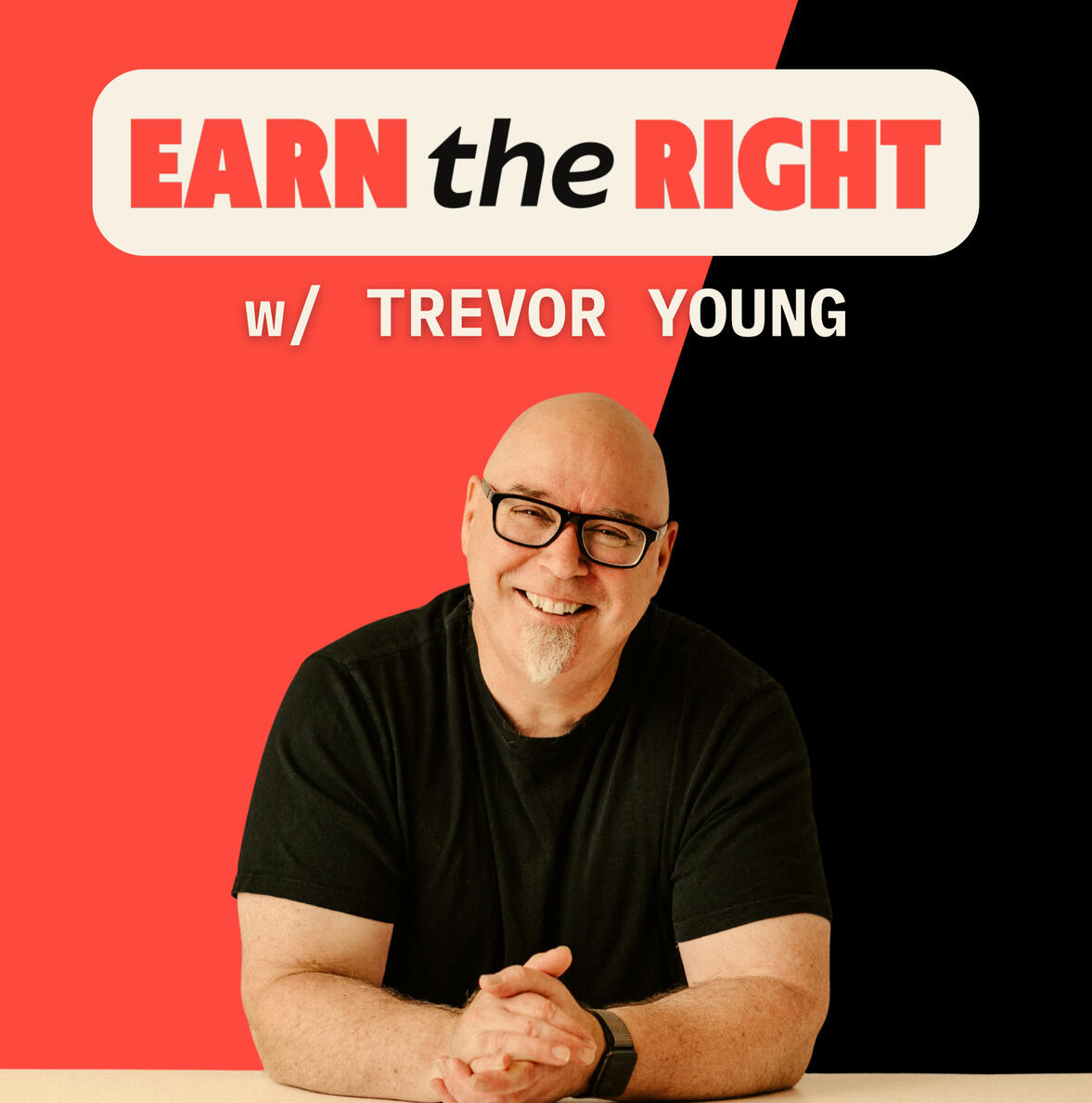
EARN THE RIGHT is my audio platform for reputation-based authority building - turning credibility into recognition, and recognition into opportunity.It’s for credible founders, experts, and solo practitioners who’ve earned their stripes and are ready to amplify their voice with integrity.Across four distinct (but inter-related) tracks —1. In The Arena
2. Pocket PR Essentials
3. From The Trenches
4. The Pay-off— listeners get the ideas, stories, and strategies that help them cut through the noise and build lasting authority.You've put in the hard yards, now it's time to capitalise!
BOOKS
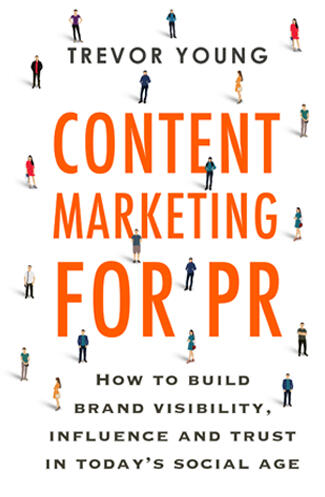
CONTENT MARKETING FOR PR: How to build visibility, influence & trust in today's social ageBecome your own media channel and tell your stories like a PR pro!
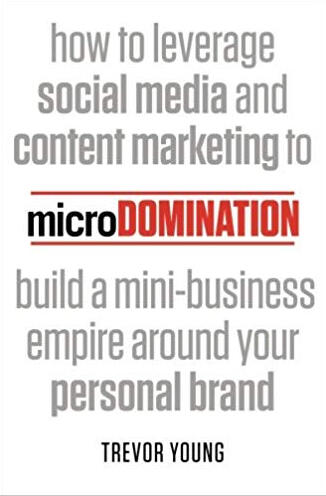
microDOMINATION: How to leverage social media & content marketing to build a mini-business empire around your personal brandTransform passion into pure profit, build a mini-business empire and start living the dream today!
TESTIMONIALS
“Trevor has worked closely with me on my personal brand for several years now. His strategic input is fantastic, as is his support and accountability in helping me to execute every day and week, from the content we produce, through to our social media efforts and the packaging of my brand in the form of products and services.” - TRISTAN WHITE - Founder, The Physio Co and Culture is Everything
“After just over an hour of Trevor’s brilliant coaching I am now equipped with not only innovative strategic ideas to fast-track my business growth, but also the tactical tools to support this process. This is what really makes Trevor’s coaching a stand-out. I’d been wallowing around in the maze of marketing options, but with his expert advice I now know exactly where to start and what to do.” - MANDY JOHNSON, CEO/Founder – Wicked Workplaces
TECH STACK
I'm often asked what tools and tech I use in my one-person enterprise. Here are the main ones:
Carrd - what this website is built on
Ghost - where my PR Warrior blog is archived
Canva - use it daily, best app ever ... and it's Australian!
ChatGPT - for everyday AI requirements
Claude - my go-to AI tool for brainstorming, writing & editing
Zoho Notebook - where I capture ideas, articles, research findings etc
Riverside - the best video/audio podcast recording platform
CastMagic - this AI tool produces show notes for my podcast episodes
Resound.fm - this app cuts all the 'umms' & 'aahs' from my podcast recordings
Podcast.co - my podcast hosting platform
SUBSCRIPTIONS
I subscribe to a fair few newsletters - here are the key ones I read regularly:- FURTHER (Brian Clark)
- OBERTHINKING (Justin Oberman)
- DAILY PR BRIEF (Christophe Abiragi)
- SIMON OWENS'S MEDIA NEWSLETTER (Simon Owens)
- CREATOR SPOTLIGHT (Francis Zierer, Lead Editor)
- PREST (Callum Dawes)
- THREE WINS (David Hieatt)
CONNECT
Hi there! Need to chat to me about something? I'm pretty easy to catch - via email or LinkedIn.Email: ty [at] trevoryoung.me
Let's connect on LinkedInWant to catch up for quick no-obligation chat via Zoom?
Got a question you want to ask me? Want to discuss how we might be able to work together? Book a time here
TESTIMONIALS
“After just over an hour of Trevor’s brilliant coaching I am now equipped with not only innovative strategic ideas to fast-track my business growth, but also the tactical tools to support this process. This is what really makes Trevor’s coaching a stand-out. I’d been wallowing around in the maze of marketing options, but with his expert advice I now know exactly where to start and what to do.”
- MANDY JOHNSON, CEO/Founder – Wicked Workplaces
“I’ve always admired the content Trevor Young produces and the strategy behind his content and social media marketing. He is incredibly generous in sharing his knowledge and I definitely consider him a mentor.”
- CAROLYN HYAMS, Marketing Director for Aquent Australia
“What I love about Trevor’s teaching style is how he can share what we all need to think about and apply, but also do it by continually sharing the proof. From a household name to the individual content creator making their mark on the world, Trevor’s insight and evidence is far reaching and puts it all into a real world context.”
- MARK MASTERS – Founder, You Are The Media (UK)
“While Trevor is one of Australia’s most respected, experienced and successful PR, content marketing and social media gurus, he is also one of the more genuine, generous and humble individuals you’ll ever meet.”
- SUMMER GOODWIN – Editorial and Content Manager, CSIRO
“Trevor connects the dots much faster than most. His ability to spot subtle shifts in human behaviour and connect this to how it will change the way we communicate is second to none and has helped him become a true trailblazer of the Australian content marketing scene and bring many PR pros on the journey with him – myself included.”
- HEATH EVANS – Co-Founder and CMO, Wilderlands
“Hi Trevor. Thank you so much for coaching us! I got so much out of the coaching sessions. You were incredibly generous with your time, and your enthusiasm, energy, and positivity was really great for us. I gained more clarity around how best to market myself as a historian. And I now have more knowledge about and confidence in using social media to market myself. Your program exceeded my expectations.”
- PARTICIPANT, Personal Brand Group Coaching for Professional Historians
“Hi Trevor, I just wanted to say a big thank you for your time and expertise during our 2nd LinkedIn Strategy session on Tuesday. Your insights and guidance were incredibly valuable, and I really appreciate your contributions to our discussion. Your strategic approach and the practical advice you shared have given us a lot to think about.”
- CORPORATE CLIENT – Financial Services Industry, 2025
CONSULTING & COACHING PROJECTS
ONGOING RETAINER – allied health company
PR, content & digital communicationsLong-term consulting and advisory role with one of Australia’s leading physiotherapy companies.
STRATEGY PLANNING & ONGOING MENTORING – professional services firm
Content marketing & thought leadership communicationsDeveloped a strategy for a 65-person national management consultancy, and then spent a year mentoring and guiding the internal marketing communications team on implementation.
MASTERCLASS & GROUP COACHING – professional services (individuals)
Professional personal brandingFollowing a masterclass presentation, I developed and ran a 6-week group coaching program for a cohort of professional historians.
1-ON-1 MENTORING – professional services firm
Content marketing & social mediaThree-month thought leadership coaching and mentoring for the founder of a 15-strong QLD-based specialist recruitment firm.
LINKEDIN TRAINING (SINGAPORE) – allied health
Professional personal brandingCustomised LinkedIn training for 30 Singapore-based psychologists across two online Zoom sessions.
RETAINER + PROJECTS – property investment
Content & digital communicationsLong-term client in the finance and investment industry, well-established entrepreneurial firm with 50+ staff, on-and-off mix of retainer and project work, ongoing consultancy and advisory across a 10-year period.
STRATEGY DEVELOPMENT + SHORT-TERM MENTORING – professional services firm
Content & digital communicationsDeveloped a strategy for a an entrepreneurial 15-person management and culture change consultancy, followed by two months supporting the internal team with implementation.
12-MONTH RETAINER: STRATEGY & MENTORING – professional services firm
Media, content & digital communicationsWorked one-on-one with the founder of a boutique commercial law firm to build his profile and reputation as a genuine trusted expert in his field.
1-ON-1 MENTORING – HR author and speaker
Content & digital communicationsSeries of tactical one-off sessions with a leading author, speaker and thought leader in the corporate HR space.
COACHING & ADVISORY – professional services firm
Content strategy for LinkedInCoached the partners of a WA law firm to develop and implement content and social media roadmap for LinkedIn.
COACHING & ADVISORY – professional services firm
Content & digital communicationsCo-creation of a communications strategy plus coaching and guidance for the owner (and senior personnel) of a growing accounting practice.
SPEAKING EXPERIENCE [SAMPLE]
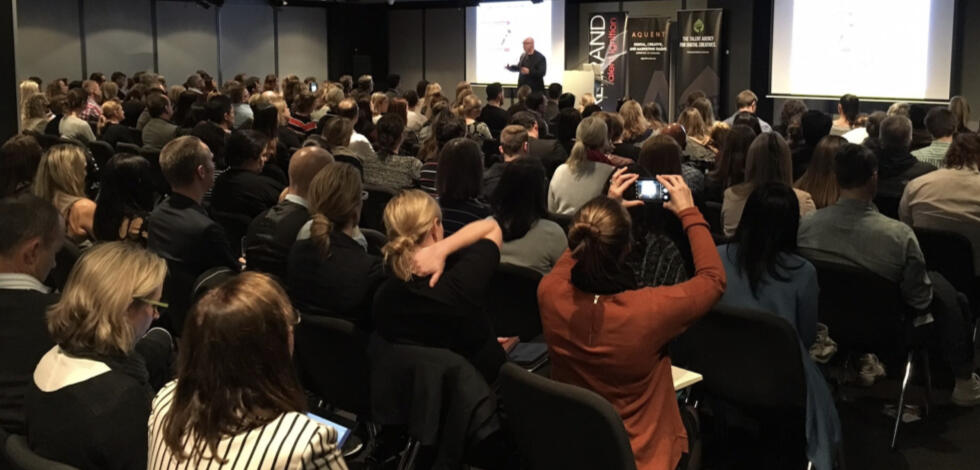
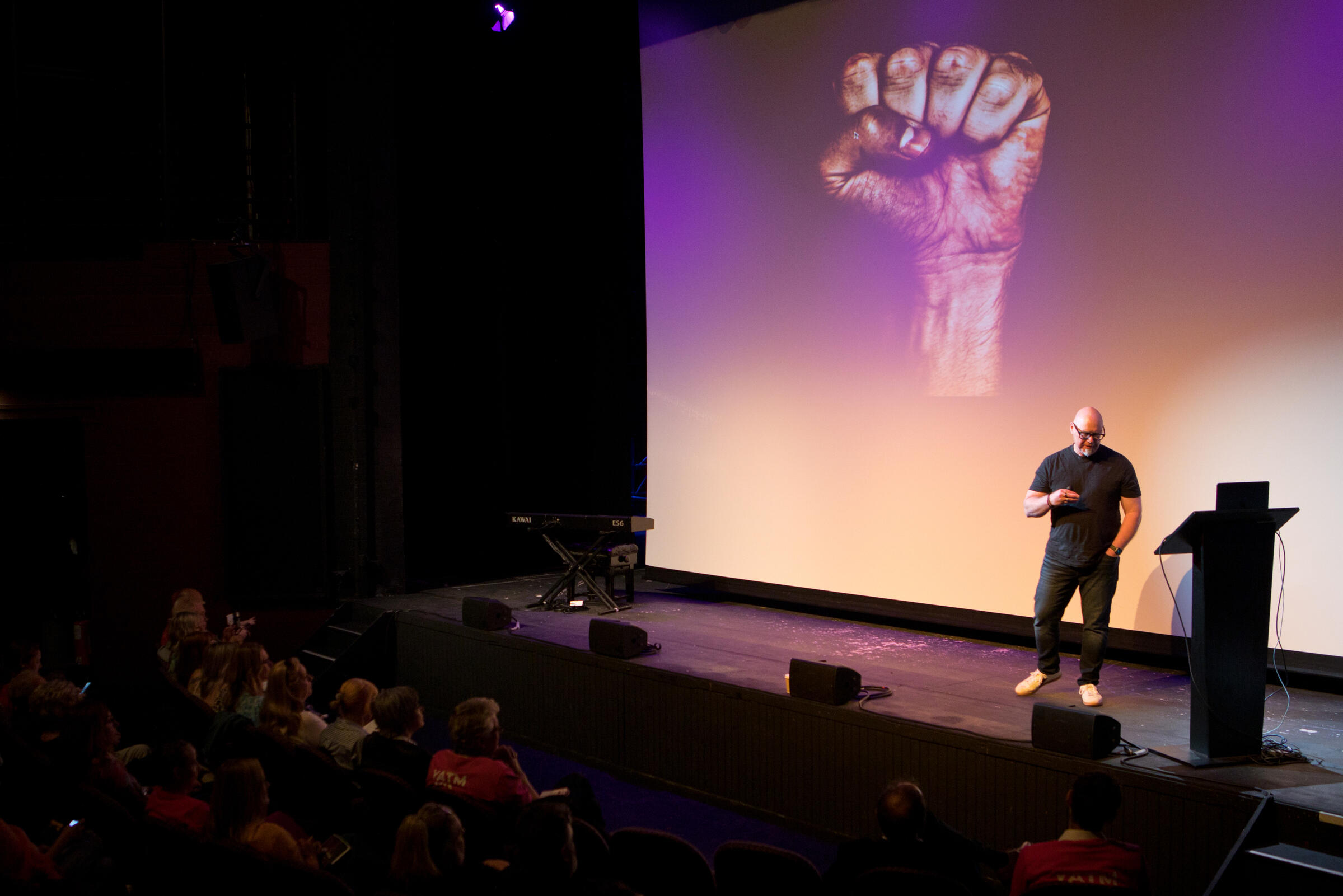
I’m a passionate and knowledgeable marketing speaker with a solid track record in delivering keynote presentations to audiences large and small. My topics focus on social media, leadership communications and personal branding.I have presented at a broad range of business events, industry conventions and annual company conferences both here in Australia and overseas.Sectors represented have included:
marketing and communications,
small business and entrepreneurship,
education,
travel and tourism,
recruitment,
insurance and financial services,
business and leadership.
I have presented over 100 times at a range of business events, industry conventions and annual company conferences, both here in Australia and overseas.Here is a sample of those speaking engagements:
Creator Day UK (You Are The Media)
QBE Insurance Q Academy Event (professional development)
AICLA/ANZIIF Claims Convention
Minor Hotel Group Limited annual conference (Bangkok)
Association of Heads of Independent Schools of Australia Education Forum
Executive Assistant Leadership Masterclass Conference (national tour)
Recruitment & Consulting Services Association of Australia & NZ (Fiji)
The Adviser Digital Marketing Bootcamp (national roadshow)
Swinburne Accelerator Program Masterclass
Content Leaders Academy Masterclass (Melbourne/Sydney/Brisbane)
The Adviser Digital Marketing Bootcamp (national roadshow)
Future of Social Media Summit
Firebrand Talent #Digitalks keynote (Melbourne/Sydney)
Victorian Tourism Industry Conference (Geelong)
Zurich Life Risk Updates Roadshow (x8 keynotes)
CEO Institute (x5 presentations)
You Are The Media’s Month of Learning
SPEAKING TOPICS
I have developed, road-tested and refined a number of signature marketing presentations themed across the following interrelated topics: Content marketing and digital communications, authority building, leadership communications and personal branding.These topics are highly relevant for a broad range of audiences and can be tailored where necessary for the following:
company directors, business leaders and senior executives, or PR and marketing personnel, from large and fast-growing medium-sized businesses, nonprofits and government organisations;
‘individuals’ i.e. entrepreneurs, business owners subject matter experts and professionals running personal brand-based businesses.
BECOMING A ‘CONNECTED’ BRAND: How to cut through and stay relevant in a noisy, always-on digital world
PERSONAL BRANDING FOR BUSINESS PROFESSIONALS: Building visibility, influence and trust in a social age
PRACTICAL CONTENT MARKETING FOR BUSINESS: Tell your story, grow your audience, build your brand and your businessSecond item
My talks and presentations are always tailored for audiences and I'm very happy to collaborate on a relevant topic that's going to work effectively for your event.